About MCC
Our mission is to reduce cancer's burden in Minnesota and throughout the world.
The Masonic Cancer Center creates a collaborative research environment focused on the causes, prevention, detection, and treatment of cancer; applying that knowledge to improve quality of life for patients and survivors; and sharing its discoveries with other scientists, students, professionals, and the community.
Founded in 1991, the cancer center became a National Cancer Institute (NCI) designated Comprehensive Cancer Center in 1998, one of only 53 institutions in the United States and two in Minnesota to hold that designation. Every five years, the cancer center applies to renew that designation via a competitive and rigorous process.
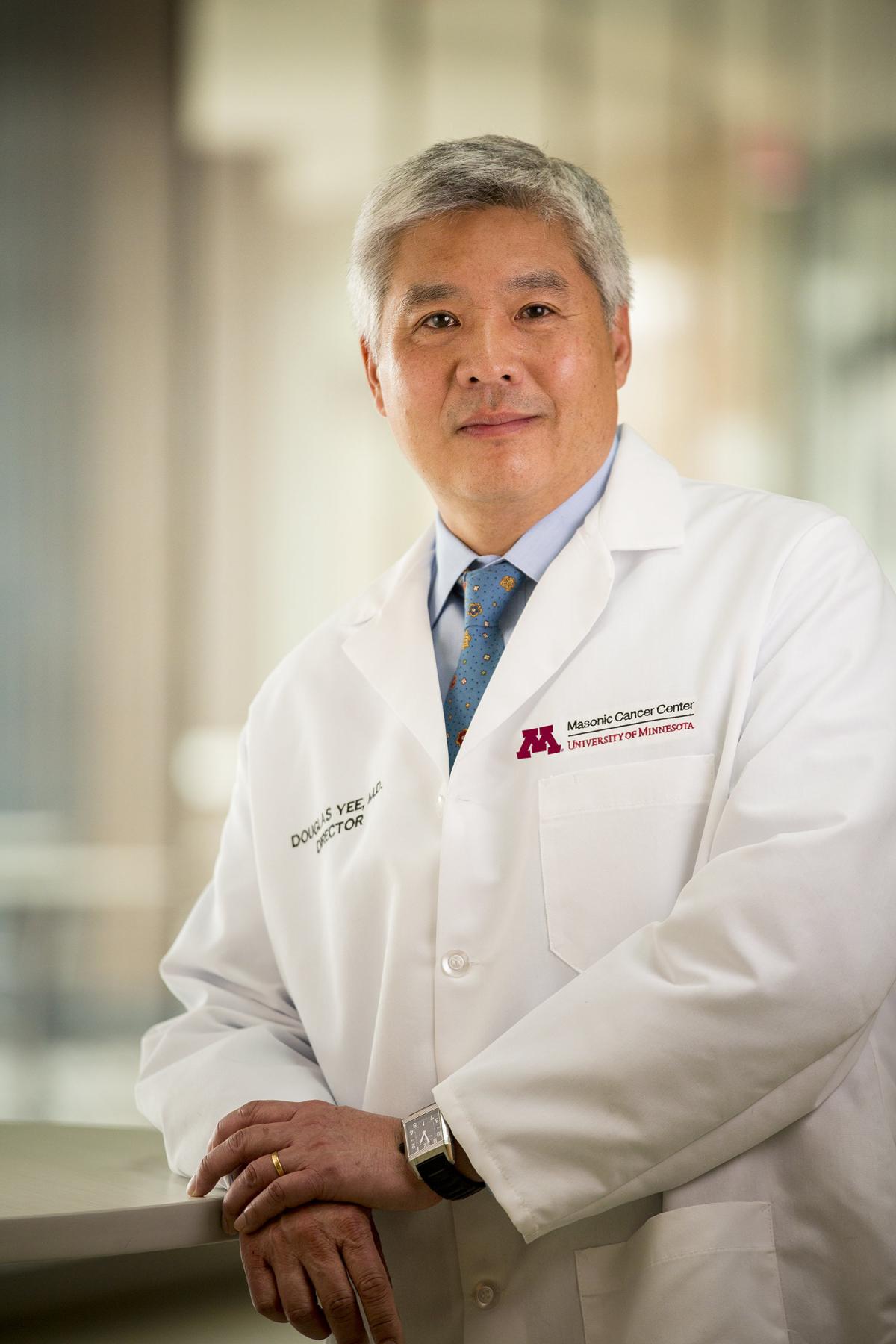
Message from the Director
The Masonic Cancer Center serves as the hub for cancer research at the University of Minnesota. Our 600+ members apply their expertise to the broad problem of cancer with research in cancer causes, prevention, treatment, outcomes, and survivorship. The progress we’ve seen in reducing the burden of cancer in Minnesota and beyond can be directly attributed to the discoveries our researchers have made.
We could not do this work without our amazing partners. From patients to advocates, to philanthropic and community organizations, to federal and state funding agencies, MCC's premier cancer research and care is a collaborative effort. Thank you to all who continue to join us as we work to reduce the burden of cancer on Minnesotans and beyond.
Heritage
The Masonic Cancer Center (MCC) was founded in 1991. It is part of the health sciences at the University of Minnesota, which includes the U of M Medical School, the Schools of Dentistry, Nursing, and Public Health, and the Colleges of Pharmacy and Veterinary Medicine. MCC's research partners include the University’s Stem Cell Institute, Center for Immunology, Center for Magnetic Resonance Imaging, Clinical and Translational Science Center, and Physical Sciences in Oncology Center. MCC's clinical research and treatment partners include University of Minnesota Medical Center and University of Minnesota Masonic Children's Hospital.